20th March 2026
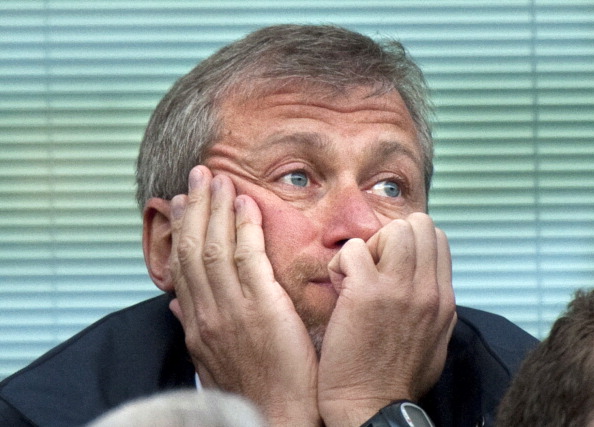
March 20 – The UK government has opened the door to talks with Roman Abramovich, offering fresh negotiations over the £2.35 billion of frozen fund generated from the sale of Chelsea, despite threatening the Russian with legal action just days ago.
Treasury officials have reportedly approached Abramovich’s representatives via lawyers in an attempt to break the ongoing deadlock, but the initial feeling is that both sides are keen to stick to their guns.
The UK government is expected to continue its insistence that the funds must be directed exclusively towards humanitarian efforts in Ukraine, while Abramovich maintains they should be used for “all victims of the war” – including those from his native Russia.
\]The renewed push for dialogue comes in the immediate aftermath of yet another missed deadline, with ministers publicly stating the 59-year-old had “failed” to honour commitments made at the time of the 2022 sale.
“We gave Roman Abramovich his last chance to do the right thing,” a government spokesperson said earlier this week. “Once again, he has failed to make the donation he committed to. We will now take further steps to ensure that the promise he made at the time of the Chelsea sale is kept.”
Behind the scenes, however, the tone appears more measured – at least for now.
Nearly four years on from the forced sale of Chelsea, the money remains frozen in a UK bank account linked to Fordstam Ltd, Abramovich’s holding company. The wider context has only added layers to an already complex situation. Abramovich’s camp has pointed to a separate criminal investigation in Jersey, where billions of his assets remain frozen, as a further obstacle to releasing the funds.
There is also a significant gap between headline and reality when it comes to the money itself. While the sale generated £2.35 billion, filings suggest Abramovich is only obliged to donate the net proceeds – closer to £987 million – once loans to his own companies, totalling around £1.54 billion, are settled. That distinction has done little to ease tensions.
The standoff has dragged on through multiple deadlines, licences and warnings, with the Office of Financial Sanctions Implementation previously granting a 90-day window in December to move the funds.
That window has now closed without resolution. For all the legal posturing, both sides appear to recognise that a negotiated outcome remains preferable. Whether that can be reached – or whether the issue finally shifts into the courts – is the next step in a saga that continues to blur the lines between football finance and global politics.
Contact the writer of this story, Harry Ewing, at [moc.l1774013852labto1774013852ofdlr1774013852owedi1774013852sni@g1774013852niwe.1774013852yrrah1774013852](javascript:;)